The brief inverted typical advertising logic: there was no product to sell, no desire to manufacture. The audience already had everything they needed, the campaign just had to make that visible.
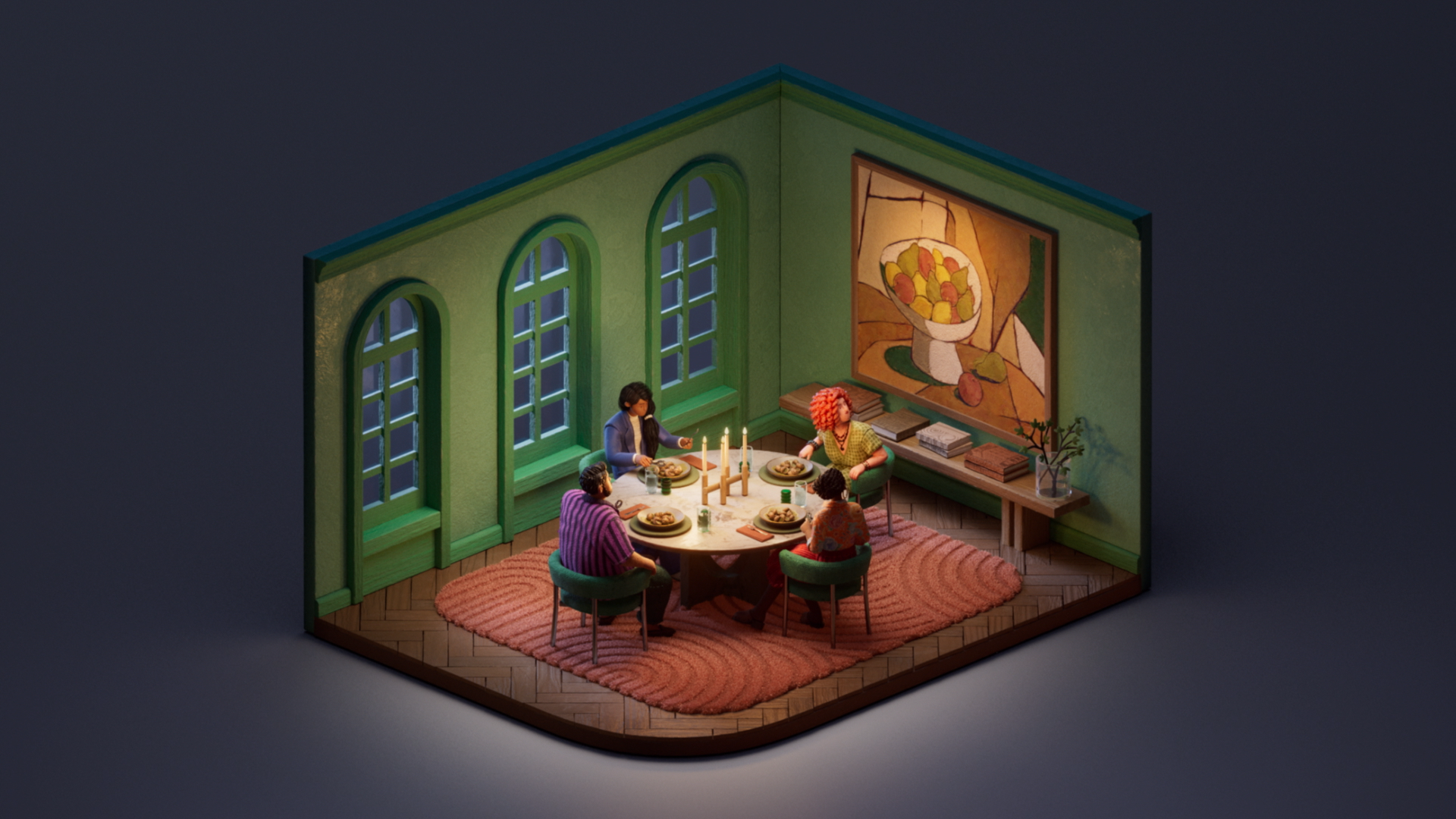
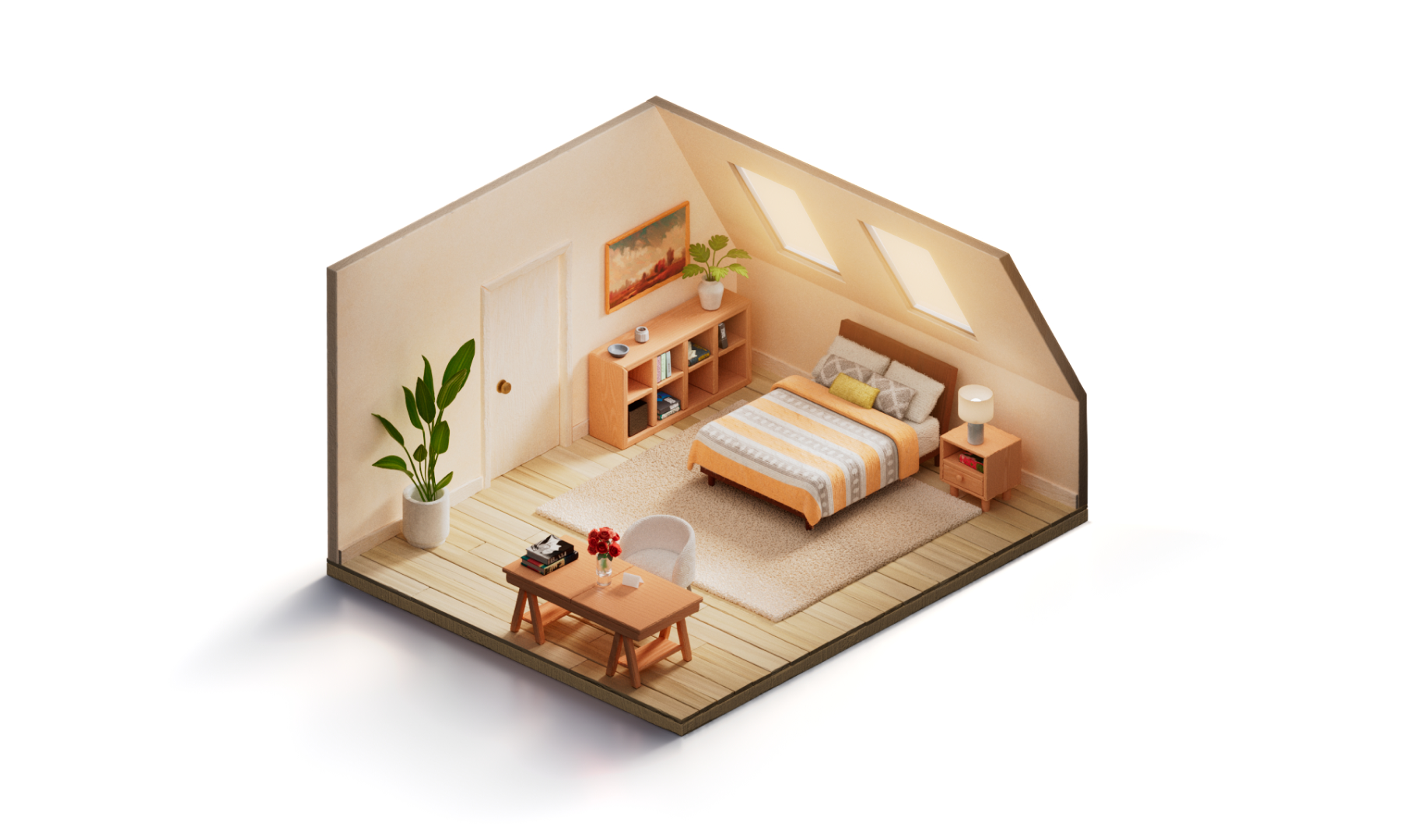
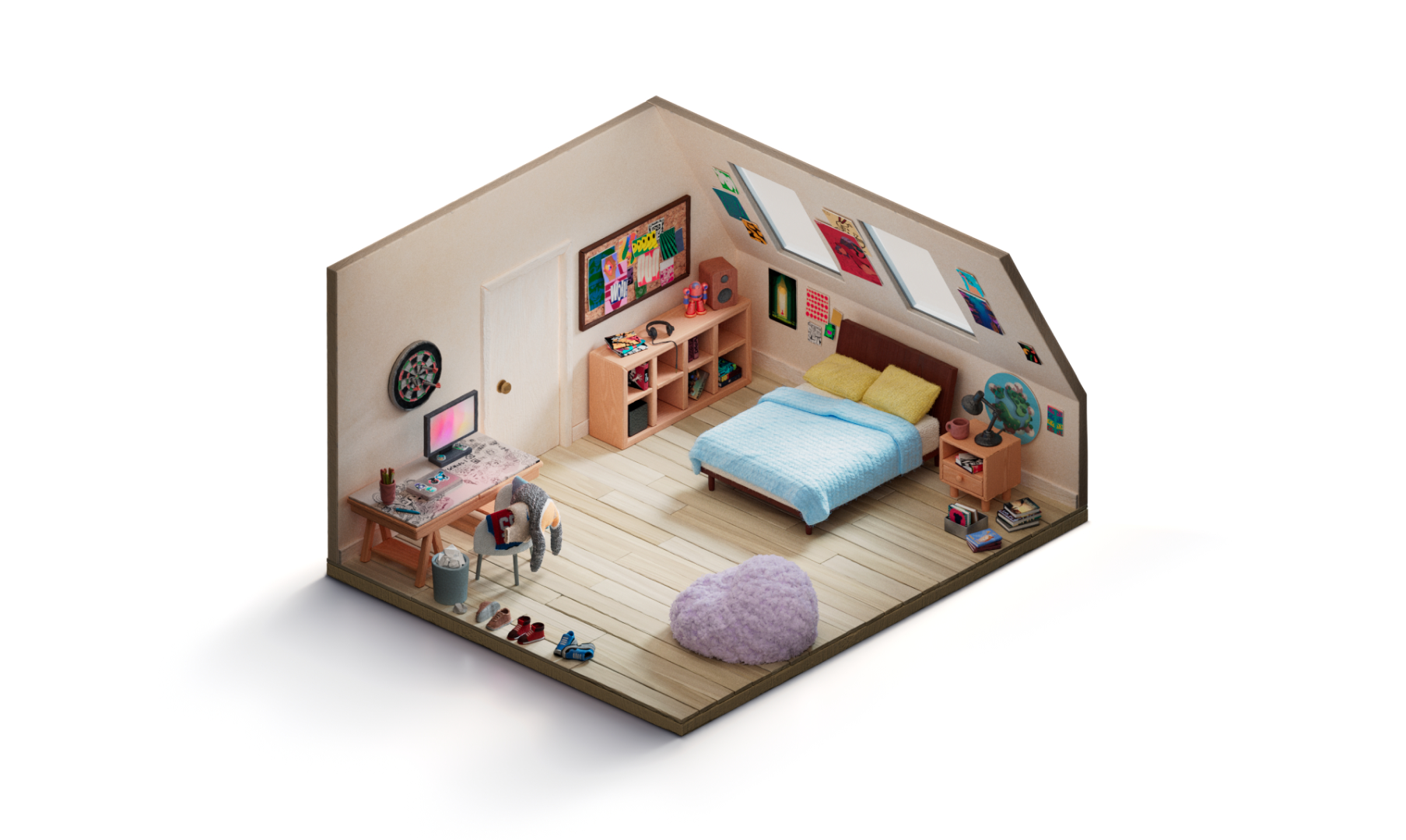
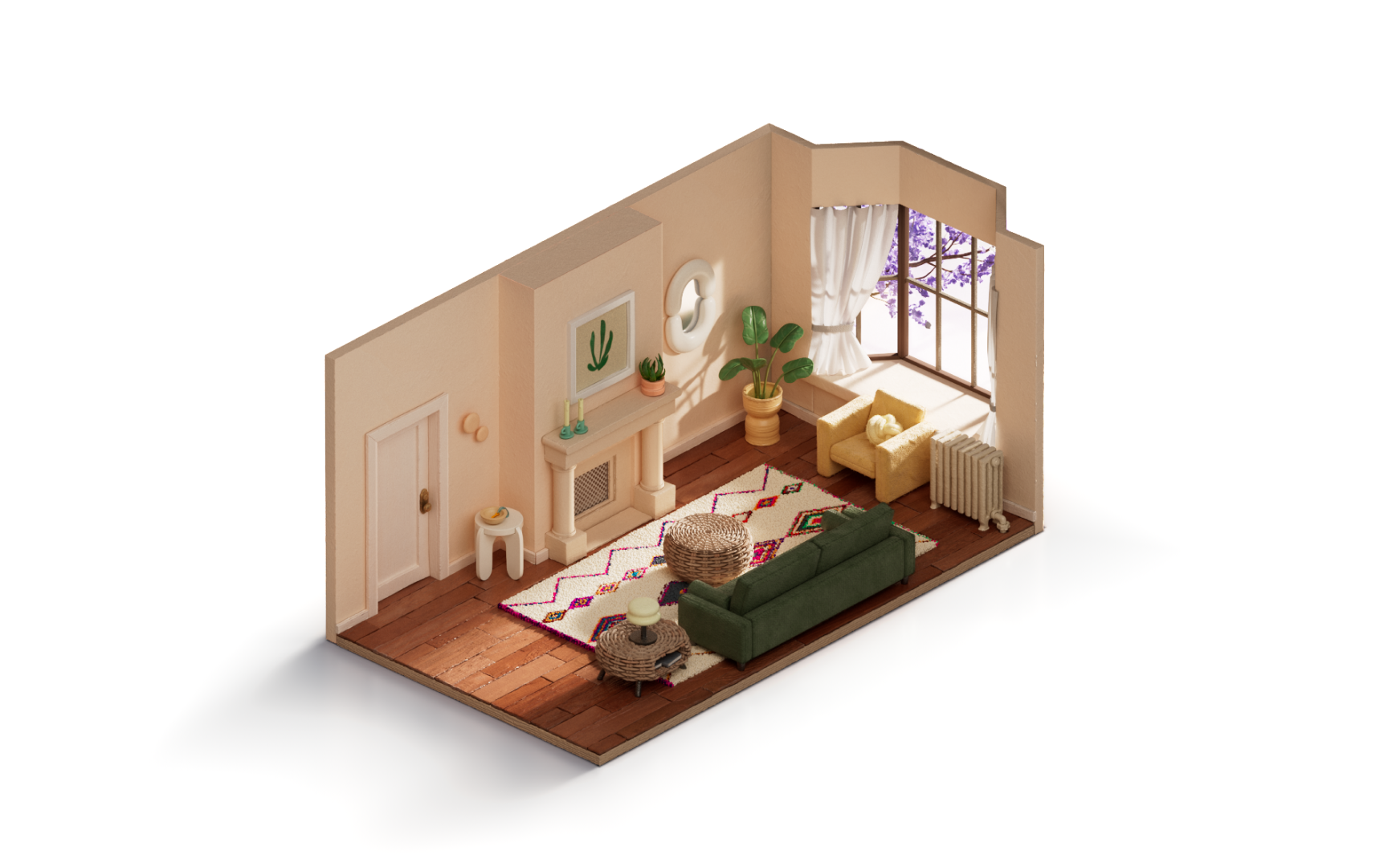
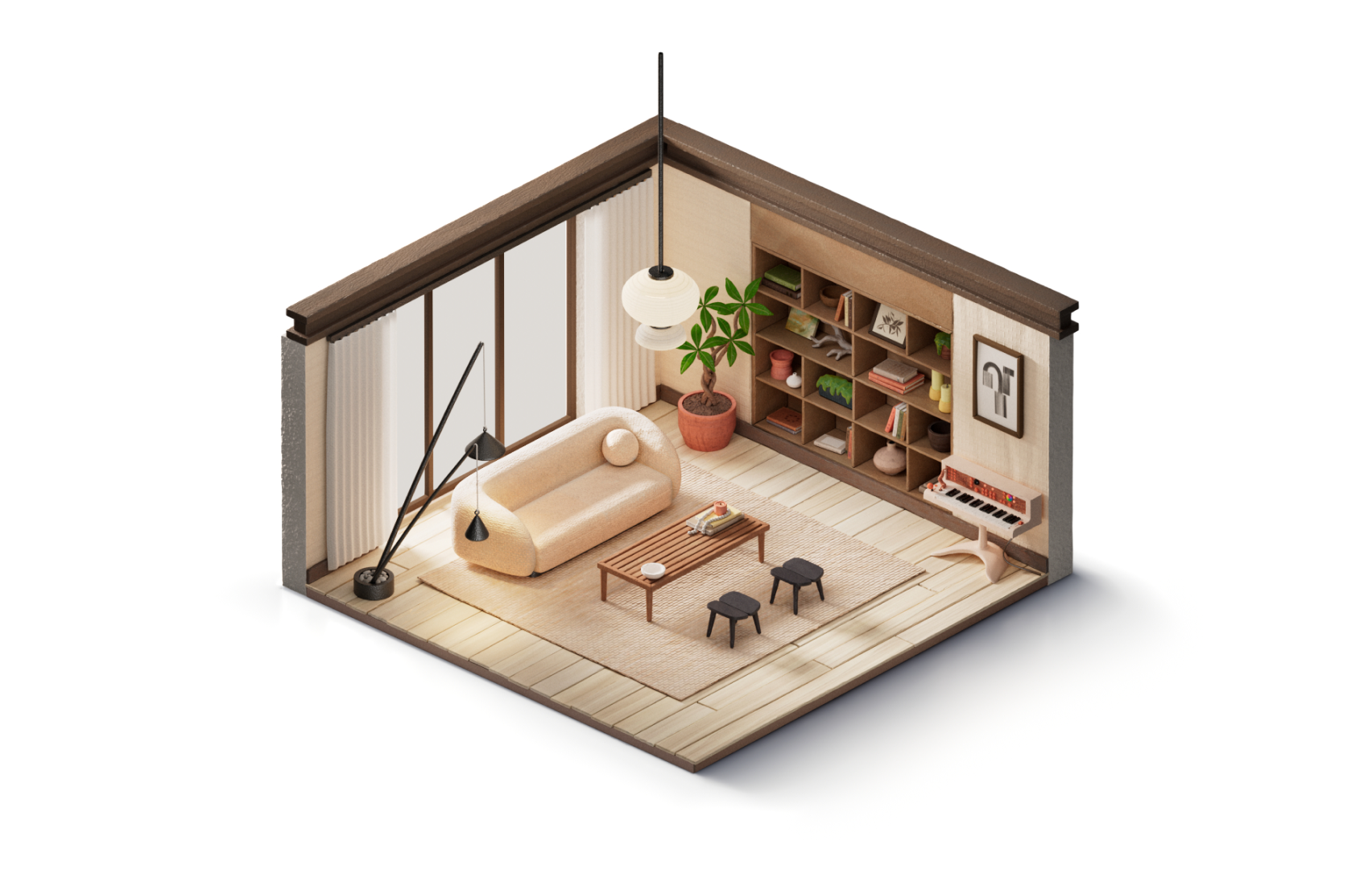
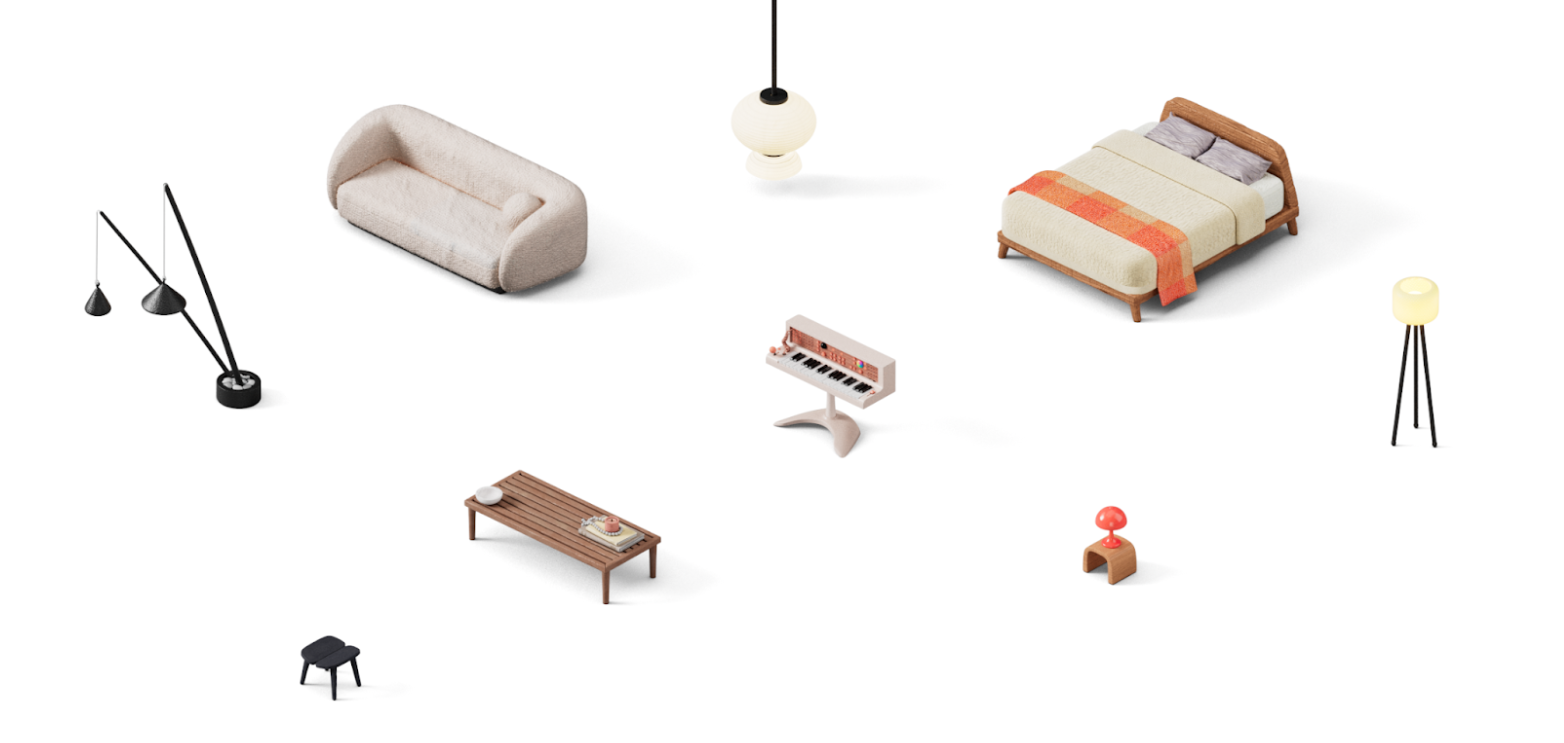
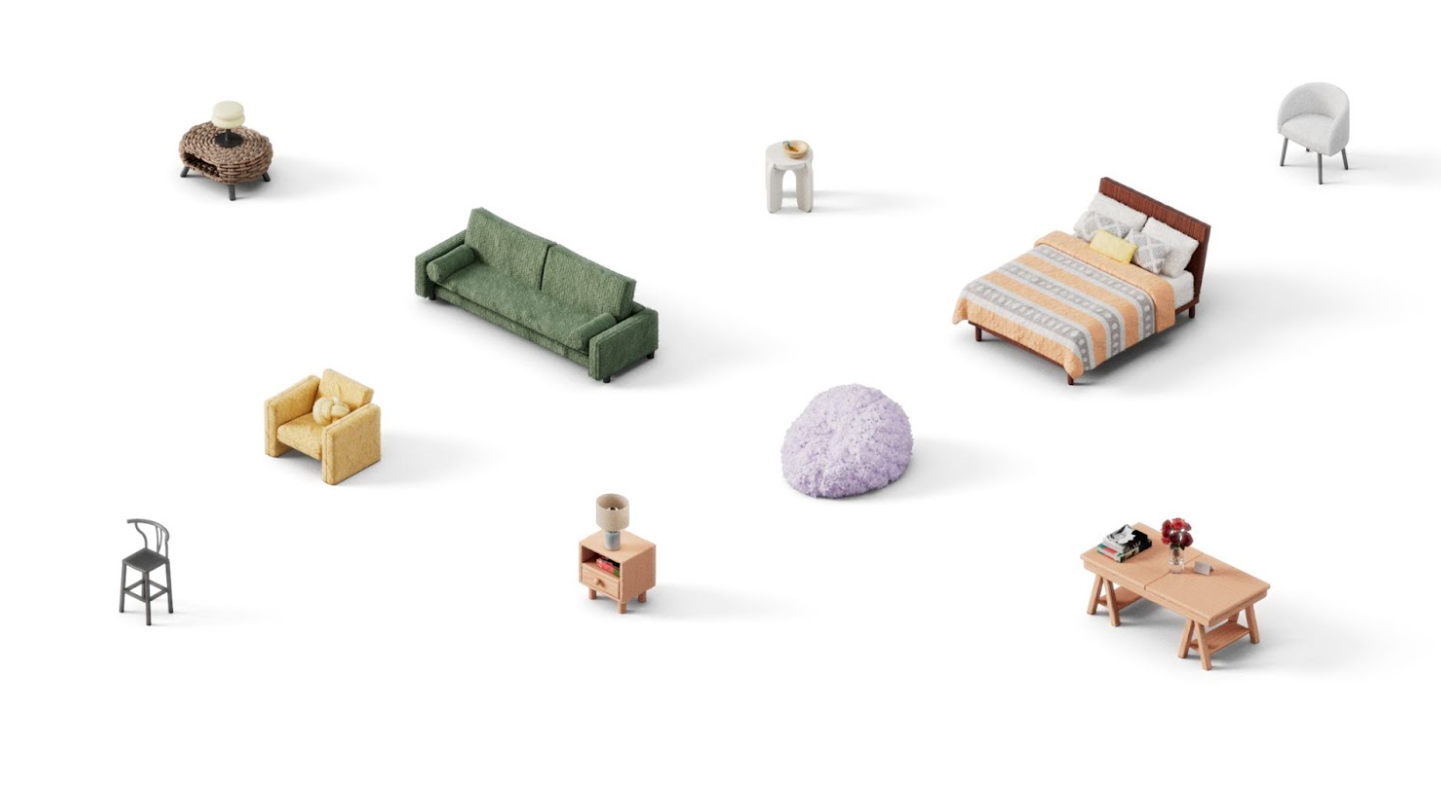
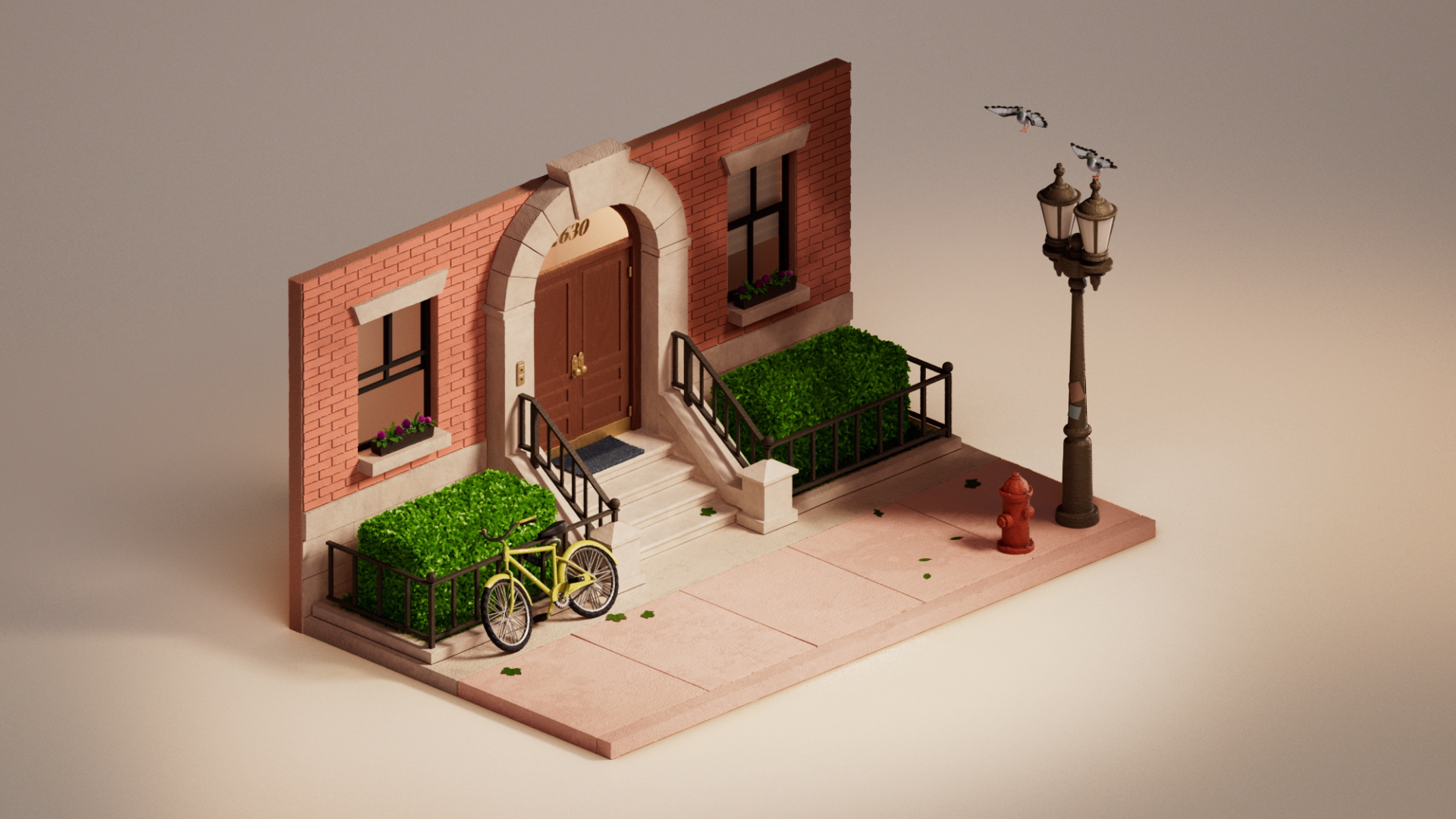
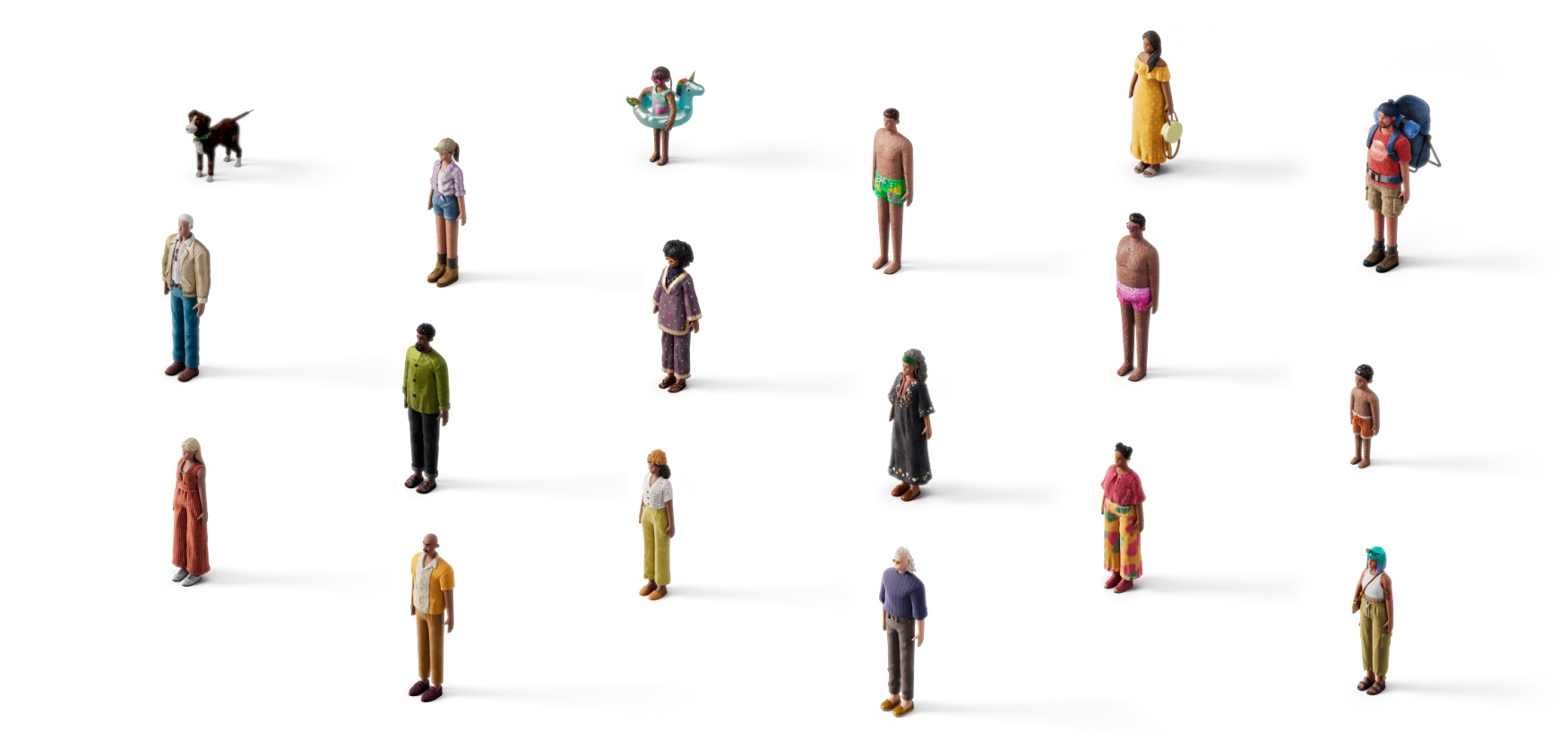
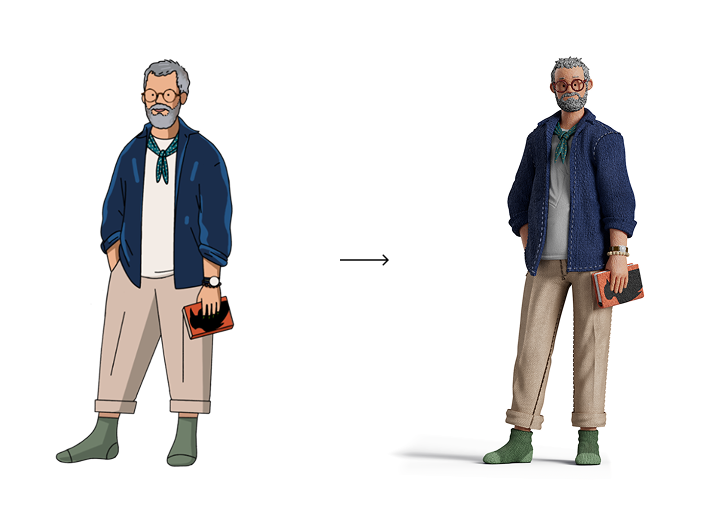
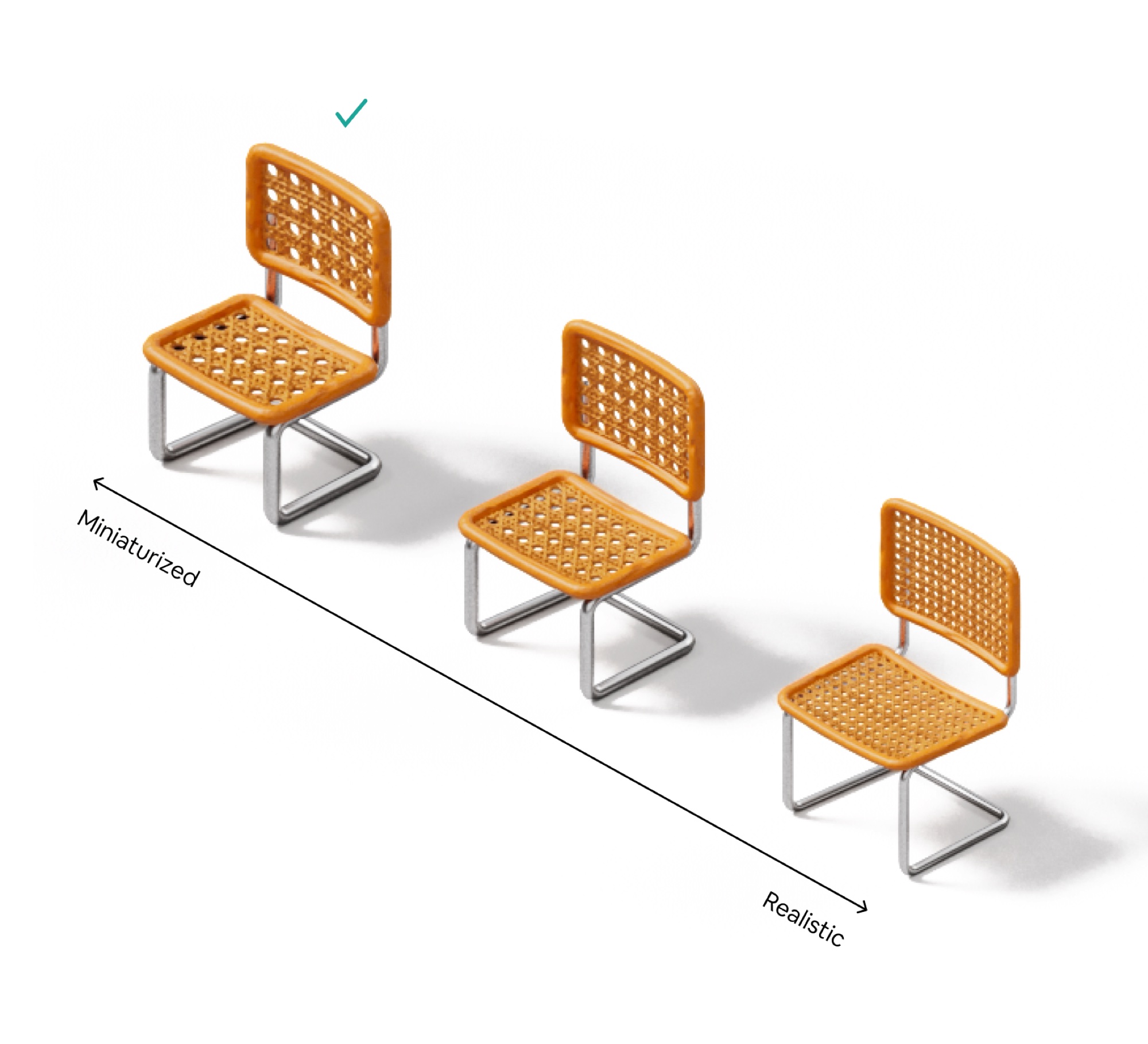
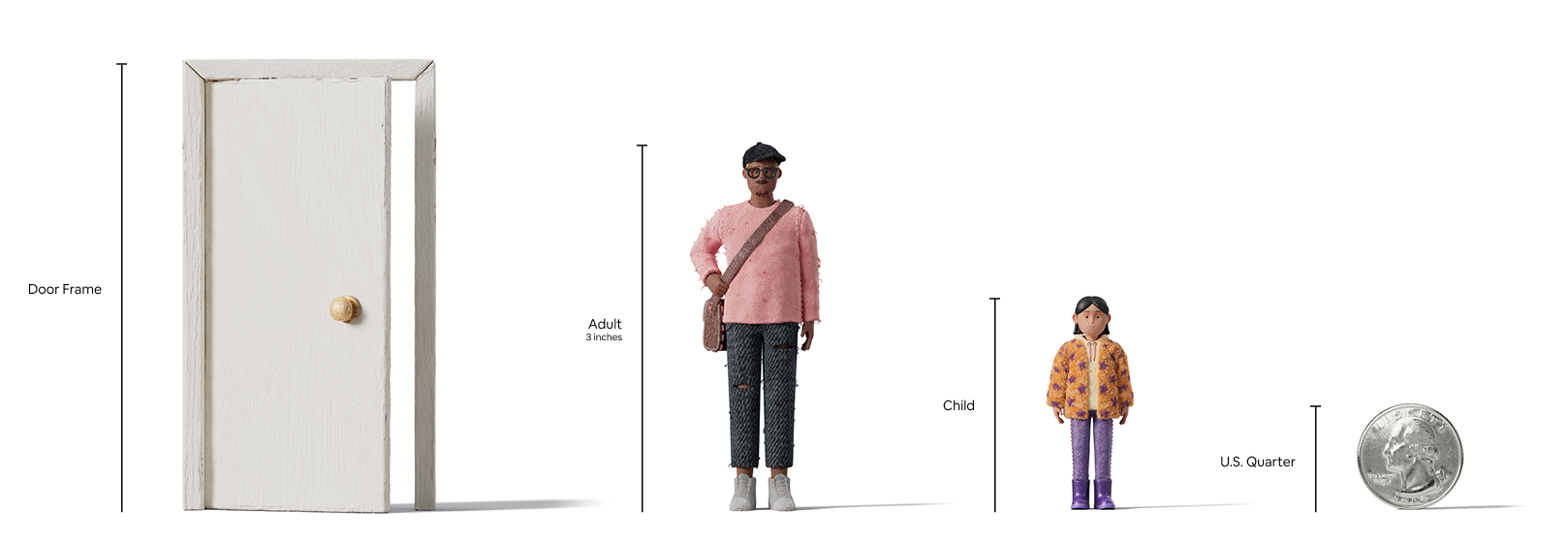
The creative challenge was inventing a visual language that could make the familiar feel like an opportunity. We developed the now-iconic format of isometric one-room sets: two walls, a floor, and a lit cyc rendered in miniature as if handmade from recognizable materials. The animation was deliberately staccato, evoking the physical processes of stop-motion, keeping stories dynamic and payoffs whimsical. The spatial design needed to feel both relatable enough to feel achievable and aspirational enough to feel worth it, reinforcing the message that hosts' homes were already Airbnb-ready. That balance was also doing something subtler by reflecting the charmingly imperfect human connection at the heart of choosing an Airbnb over a faceless hotel.
As art director and design director, I was involved in every facet of the visual development — from the initial design language through to execution. The campaign went on to drive double-digit global host supply growth and led to a second iteration, with the isometric format since becoming one of the most widely imitated visual languages in the category.